
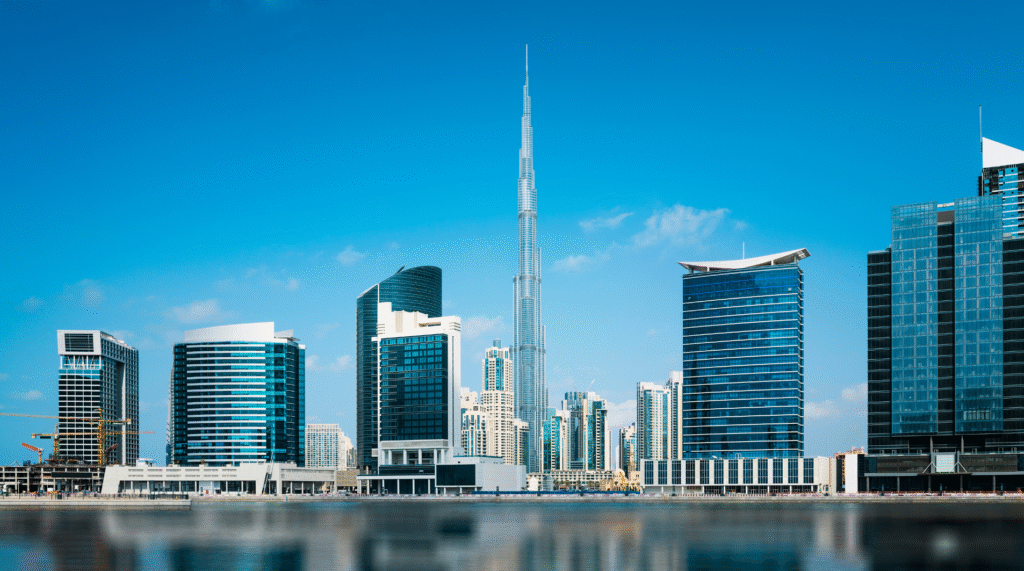
As the Dubai property market stabilizes, many UAE-based investors are looking globally for portfolio diversification. While international real estate offers compelling yields, the risks are far higher than in the secure, centralized system you’re accustomed to here.
Based on 2025 regulatory shifts and investor advisories, here are the five critical red flags to audit before you commit capital abroad.
1. Restrictive or Unclear Foreign Ownership Laws:

Unlike the UAE’s liberal 100% foreign ownership, many countries impose severe restrictions on non-residents. Policy reversals or zoning disputes can quickly wipe out an investment.
- The Trap: Losing hundreds of thousands of dirhams when a “freehold” title is downgraded to a short-term leasehold due to local land law amendments (e.g., in parts of Southeast Asia or Mexico).
- Action: Do not rely on agent assurances. Insist on an official check of the target country’s land registry for specific foreign quotas or reversion clauses. Stick to markets that offer absolute Freehold ownership, like Singapore or Cyprus, for legal clarity.
2. Hidden Tax Liabilities

Dubai investors are used to 0% personal income tax and minimal corporate tax. Abroad, you face layered and often retroactive taxation that can drastically erode ROI.
- The Trap: Being blindsided by high Capital Gains Tax (often 10–30%), annual Wealth Tax (up to 3.5%), or heavy Rental Income Tax (up to 35%)—especially if the country lacks a UAE tax treaty.
- Action: Engage a cross-border tax advisor before purchase to model your total tax exposure, including the impact of the UAE’s mandatory foreign asset reporting for large holdings. Structure the deal via a professional vehicle (like a DIFC SPV) to seek legal tax savings.
3. Dubious Title Documentation and Fraud Risk:

Dubai’s DLD offers a digital, blockchain-backed registry that minimizes fraud. Most global emerging markets do not.
- The Trap: Purchasing a property with undisclosed liens, disputes, or “ancestral claims” on the title. Phantom listings are also common, costing investors large deposits before the property is even proven real.
- Action: Never bypass official registries. Insist on a local cadastre search and the authentication (apostille) of all documents via the UAE Embassy. For all non-UAE transactions, use a DIFC-based bank escrow service to hold funds until the title is successfully transferred.
4. Currency Volatility and Scarcity of Financing:

The AED is pegged to the USD, offering stability. When you buy in a different currency, that stability vanishes.
- The Trap: Currency depreciation in the target market can wipe out 15-20% of your gains upon exit (e.g., if the South African Rand or Turkish Lira drops). Additionally, UAE banks offer very limited international mortgages (high rates, high down payments).
- Action: Model all FX risks. If possible, secure a USD-denominated loan from a wealth manager to mitigate exposure. If you must use local currency, factor in a 10–15% currency inflation buffer and negotiate long-term developer financing lock-ins.
5. Political and Economic Instability

While Dubai boasts high political and economic stability, international markets face unforeseen shocks that directly impact property value and liquidity.
- The Trap: Sudden regulatory freezes on sales, expropriation risks (where land is seized for state use), or economic crashes (like the Argentine Peso crash), which can halve your property value overnight.
- Action: Cross-check the World Bank’s Doing Business Score for the target country (below 60/100 is high risk). For major investments, secure specialized political risk insurance from a reputable global underwriter to protect against major loss events.
Conclusion: Safeguard Your Capital:
For international investments, due diligence is non-negotiable. Dubai investors are accustomed to efficiency and security; never assume those standards exist elsewhere.
Your first step should always be to hire cross-border legal and tax advisors who specialize in global real estate transactions to audit these five red flags before signing anything.